The restaurant industry has always been about hospitality.
Great food.
Friendly service.
A welcoming environment.
These things will always matter.
But customer expectations have expanded.
Today’s customers also value:
- Speed
- Convenience
- Accuracy
- Easy communication
- Simple payments
A restaurant can serve excellent food, but if the experience feels slow or complicated, customers may look elsewhere.
The modern restaurant experience is about combining hospitality with efficiency.
How Customer Expectations Have Changed
Think about how people interact with businesses today.
Customers can:
- Order products online
- Track deliveries
- Make instant payments
- Book appointments digitally
- Access information immediately
These habits influence every industry, including restaurants.
Customers now expect simple interactions.
They do not necessarily want less human connection.
They want less unnecessary waiting.
1. Customers Want Easy Access to Menus
The menu is the beginning of the restaurant experience.
Customers want to quickly understand:
- Available dishes
- Prices
- Options
- Recommendations
Traditional menus can create challenges:
- Limited copies available
- Difficult updates
- Outdated information
Digital menus provide a convenient way for customers to explore options.
They also allow restaurants to update information more easily.
2. Customers Want Faster Ordering
Waiting is one of the biggest frustrations during dining experiences.
Customers do not want unnecessary delays between:
Sitting down.
Choosing food.
Placing an order.
Receiving service.
A smoother ordering process helps customers feel more in control.
Technology can support faster ordering while allowing staff to focus on hospitality.
3. Customers Expect Payment Convenience
Payment is the final part of the restaurant journey.
A slow payment process can negatively affect an otherwise positive experience.
Customers appreciate:
- Accurate bills
- Multiple payment options
- Faster checkout
A modern billing system helps restaurants create a smoother ending to every visit.
4. Customers Appreciate Personalization
Customers enjoy restaurants where they feel valued.
Small restaurants already have an advantage here.
They often know their community better than large chains.
Technology can support this relationship by helping owners understand:
- Popular items
- Customer preferences
- Ordering patterns
Better information helps restaurants create better experiences.
5. Customers Notice Service Consistency
A restaurant should provide a good experience every time.
Customers expect:
- Accurate orders
- Similar service quality
- Reliable processes
Without organized systems, service quality may depend too heavily on individual employees.
Restaurant technology helps create consistent workflows.
6. Customers Value Speed During Busy Hours
Busy periods are when customer expectations matter most.
A restaurant may be crowded, but customers still expect organized service.
Small improvements can make a major difference:
- Faster ordering
- Better order tracking
- Efficient billing
- Clear communication
A smarter workflow helps restaurants handle busy periods better.
Why Small Restaurants Should Adapt
Some restaurant owners believe technology makes businesses feel less personal.
But the opposite can happen.
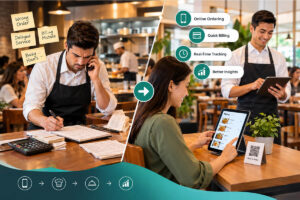
When technology handles repetitive tasks, staff has more time for customers.
Instead of spending time:
- Writing orders
- Calculating bills
- Searching for information
Employees can focus on:
- Welcoming guests
- Answering questions
- Creating memorable experiences
Technology should support hospitality, not replace it.
How DinePro Helps Restaurants Create Better Experiences
DinePro helps independent restaurants provide a modern customer experience through:
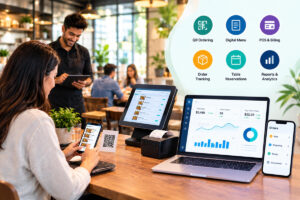
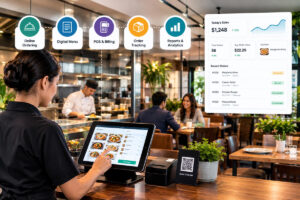
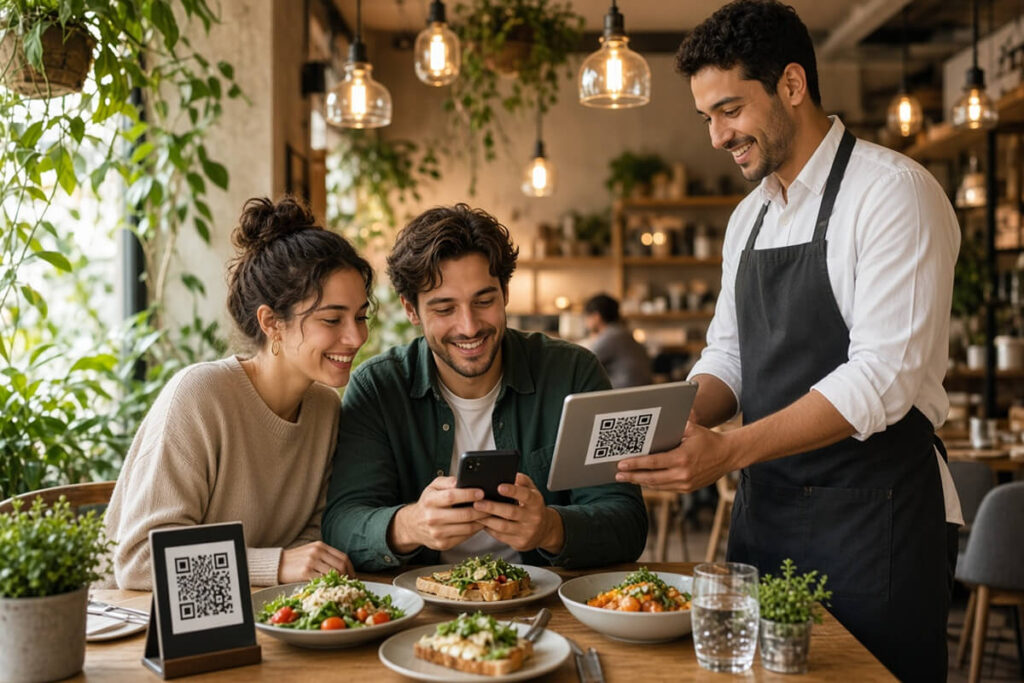
QR Based Ordering
Customers can access menus and order more conveniently.
Digital Menu Management
Restaurants can keep menu information updated.
POS and Billing
Payments become smoother and more accurate.
Order Tracking
Teams can manage orders more effectively.
Reports and Analytics
Owners gain better understanding of operations.
By connecting these processes, DinePro helps restaurants deliver the convenience customers expect.
The Future of Restaurant Experiences
The future of restaurants is not about removing human interaction.
It is about improving every interaction.
Customers will continue to value:
- Great food
- Friendly staff
- Comfortable environments
But they will also expect:
- Faster service
- Digital convenience
- Better communication
Restaurants that combine both will create stronger customer loyalty.
Final Thoughts
Customer expectations are changing.
Restaurants no longer compete only on food.
They compete on the complete experience.
For small restaurant owners, adopting smarter systems is an opportunity to improve service while maintaining the personal connection that makes independent restaurants special.
The restaurants that adapt to modern expectations will continue building stronger customer relationships.
FAQs
What makes a good restaurant customer experience?
A good restaurant experience combines quality food, friendly service, fast ordering, accurate billing, and customer convenience.
Why do customers prefer digital restaurant experiences?
Customers prefer digital experiences because they provide convenience, faster service, and easier access to information.
Can technology improve restaurant hospitality?
Yes. Technology reduces repetitive tasks and allows staff to spend more time creating better customer interactions.
Customer expectations are changing. Give your restaurant the tools to deliver faster, smarter experiences. Discover how DinePro helps independent restaurants improve daily operations. Start your free trial today.